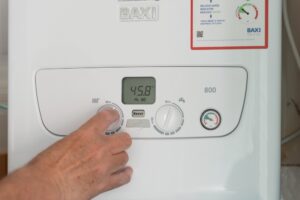
Boiler Replacement Grants in 2026 – What’s Actually Available?
Boiler Replacement Grants in 2026. What’s Actually Available?
With energy bills still on everyone’s mind and the push for greener heating gathering pace, a lot of homeowners are taking a fresh look at the boiler tucked away in the cupboard. Older systems are often to run and often fail to meet modern standards. The good news is that 2026 brings a mix of grants and support schemes that can take some of the pressure off upgrading.
Below is a straightforward breakdown of what’s out there, what you can install, who qualifies, and how to move through the process without it turning into a headache.
Why Replace Your Boiler in 2026?
You’re far from alone if you’ve started wondering whether it’s time to upgrade your boiler. Many households have been doing the same, partly because older boilers cost more to run, and partly because they don’t always hold up well as they age. Newer systems tend to be more efficient, quieter, and generally less temperamental.
There’s also the matter of funding. Schemes such as the ECO programme are still going strong and can make a real difference to the upfront cost of getting a new system. For people in draughty or inefficient homes, these schemes can be a genuine lifeline.
Then there’s the environmental angle. A lot of older boilers release more CO₂ than you might expect. Whether you’re interested in reducing your home’s emissions or just want something that won’t be affected by future regulations, upgrading now puts you ahead of the curve.
Which Grants Can Help With a New Boiler?
The UK has several schemes aimed at making homes warmer and more energy-efficient. Some are national, others are run locally.
ECO4 Scheme
ECO4 is the latest round of the Energy Company Obligation. Large energy firms have a duty to provide heating help and improve the efficiency of homes that need it most. If your boiler is on its last legs or simply inefficient, you may be able to get a heavily discounted or even fully funded replacement. ECO4 doesn’t just cover boilers; it also supports insulation and other efficiency upgrades.
Boiler Upgrade Scheme (BUS)
The BUS scheme takes a different approach: it focuses on encouraging low-carbon heating. Instead of replacing like-for-like, BUS helps with the cost of installing systems such as air source heat pumps, ground source heat pumps, or biomass boilers. The grants available can take a noticeable chunk off the installation cost, which is often the biggest hurdle.
Local Council Support
A lot of councils operate their own schemes or partnerships. These tend to be shaped around local needs, for instance, rural homes, off-grid communities, or areas with older housing stock. Councils sometimes let you combine their support with national schemes, so it’s worth checking what’s available in your area.
What Types of Heating Systems Can Grants Cover?
Boiler replacement grants cover much more than simple boiler swaps these days. As the country shifts towards low-carbon heating, the list of eligible systems has expanded.
Air Source Heat Pumps
These pull heat from the air outside and use it to warm your home. They’re extremely efficient and far cheaper to run than many older heating systems. While installation isn’t cheap, grants make it a realistic option for many households.
Ground Source Heat Pumps
These use underground pipes to capture steady ground heat. They’re highly efficient but more involved to install, especially if your garden is small. BUS funding, however, can make them far more affordable.
Biomass Boilers
Burning wood pellets or chips instead of gas or oil, biomass boilers are popular in rural areas or places without a mains gas connection. Some grant schemes actively encourage these systems as a renewable alternative.
Who Qualifies for a Boiler Grant?
The criteria depend on the scheme, but here are the main things that tend to matter:
Energy Efficiency (EPC Rating)
Homes with lower EPC ratings usually get priority, especially if your property loses heat quickly or struggles to stay warm.
Income or Benefit Entitlement
ECO4 focuses heavily on households receiving certain benefits. This ensures help goes where it’s most needed. If your income is tight or your heating bills are particularly high, you may qualify for a fully funded upgrade.
Location
Rules in England, Scotland, and Wales aren’t identical. Councils also have their own criteria, so one area might prioritise rural homes while another focuses on older terraced housing or social housing.
Boiler Upgrade Scheme Requirements
To qualify for BUS, you need to be replacing a fossil-fuel system. Your home must also have basic insulation in place to ensure heat pump performance isn’t wasted.
How to Apply for Boiler Replacement Funding
The steps are usually simple once you know what to expect:
Check what you’re eligible for
Look through national and local schemes. Many installers now have quick online tools to check eligibility.
- Choose an approved installer
Grant schemes generally require you to use certified engineers. Good installers will confirm your eligibility before moving forward.
- Get a home assessment
Someone will visit your home, look at your existing system, check insulation levels, and recommend the best solution.
- Wait for approval and book installation
The waiting time varies by scheme, but once you’re approved, installation can begin. Boiler swaps are usually quick; heat pumps can take a bit longer.
- Look after the system
Regular servicing is important. It keeps your system efficient and protects warranties, something many people overlook.
Financial and Environmental Benefits
A new boiler or low-carbon heating system usually pays off in two ways: lower running costs and reduced maintenance worries. Even if the upfront cost is higher, grants help keep things manageable, and the efficiency savings add up quickly.
From an environmental angle, the impact is even more striking. Replacing an older boiler with something modern, whether that’s a condensing boiler or a heat pump, can noticeably cut your home’s emissions.
Common Mistakes to Avoid
A few avoidable issues can slow things down:
- forgetting to include evidence for income or benefits
- using installers who aren’t approved under the scheme
- leaving applications until the last minute
- skipping annual servicing once the new system is in place
A little preparation goes a long way.
FAQs
Are there government grants for replacing boilers?
Yes. ECO4 and the Boiler Upgrade Scheme are the main ones, each targeting different types of households and heating systems.
Can an oil boiler be replaced with grant funding?
Often, yes, especially for off-grid homes. BUS also supports switching from oil to renewable systems.
What does a boiler replacement cost?
It varies widely depending on the system. Grants can offset a large part of the cost. Installers can give a clearer figure for your property.
How long does installation take?
A like-for-like boiler swap may take a couple of days. Heat pumps and ground loops can take longer due to the extra work involved.
How long should a boiler last?
Roughly 10–15 years, although usage and maintenance make a big difference.
Who qualifies for a free boiler?
Households receiving specific benefits or meeting local council requirements may be eligible for fully funded replacements under schemes like ECO4.
Check if you have an outdated backboiler today.
Final Thoughts
Replacing your boiler is one of those upgrades that pays off in comfort, running costs, and environmental impact. With several grants available in 2026, the barrier to upgrading is lower than it has been in years. Whether you’re leaning toward a high-efficiency boiler or something more modern like a heat pump, checking your eligibility is a sensible first step.
If you’re ready to explore options, get in touch with us today. A warmer, more efficient home might be closer than you think.
Solar Panel, Insulation, Heating Grants Lifetime Savings Can Help You Access Government Grants